
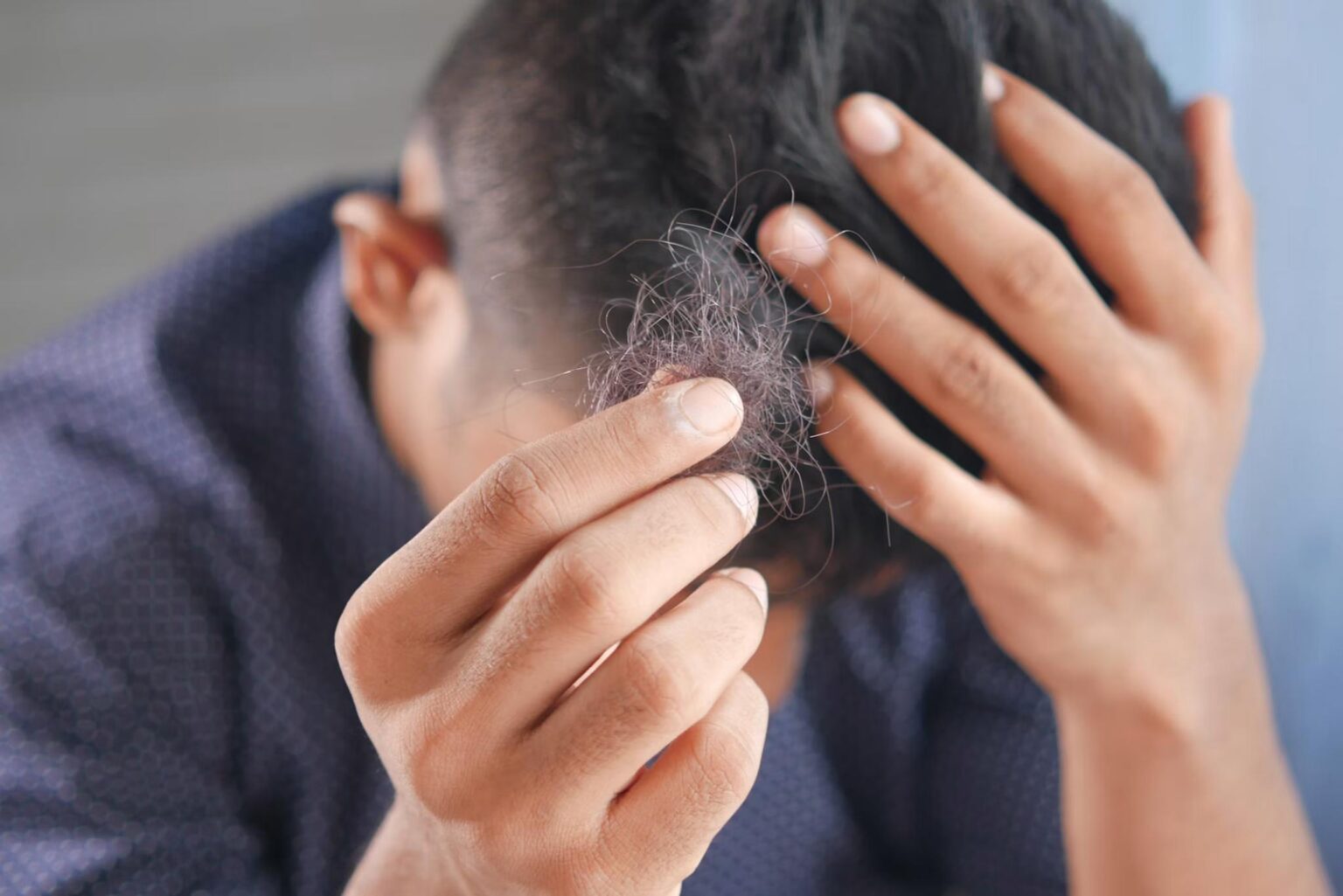
Hair loss in your thirties is more common than most people realise, and it tends to carry weight disproportionate to the physical change itself. What many patients do not know is that early-onset hair loss is almost always addressable — and the earlier treatment begins, the better the outcomes. Options like a physician-prescribed Hair Force One supplement protocol exist precisely because early intervention through targeted active ingredients can make a meaningful difference.
The most common cause of hair loss in adults under forty is androgenetic alopecia — genetically determined and hormonally driven. In men, dihydrotestosterone (DHT) binds to receptors in susceptible follicles and causes them to miniaturise over time. In women, the pattern differs — typically diffuse thinning across the crown rather than hairline recession. A genetic predisposition does not make loss inevitable, but it does mean the window for intervention opens earlier than most patients realise.
Genetics loads the gun, but hormones often pull the trigger earlier than expected. Elevated DHT is the primary driver in men. In women, conditions including PCOS, thyroid dysfunction, and perimenopause can significantly accelerate the timeline. Addressing hormonal imbalances through a supervised program can have meaningful downstream effects on hair retention.
Deficiencies in iron, zinc, biotin, and vitamin D accelerate hair shedding. Patients on GLP-1 medications — including those on a tirzepatide oral tablet protocol — should note that rapid caloric reduction can trigger temporary shedding (telogen effluvium). Nutritional support during a weight loss program is clinically relevant for hair retention.
The most well-supported treatments for androgenetic alopecia are finasteride (which reduces DHT in men), minoxidil (which extends the hair growth cycle in both men and women), and low-level laser therapy. Compounding allows providers to tailor these ingredients — and combine them with supportive compounds — in concentrations not available commercially. Patients who address both hair and skin through compounded formulations like Stella Face Cream find that the same pharmacy-grade approach works across both goals consistently.
Compounded formulations like Hair Force One medication combine multiple active ingredients in a single physician-prescribed format — targeting hair loss through DHT inhibition, follicle stimulation, and nutritional support simultaneously rather than relying on a single mechanism. This multi-pathway approach is what makes compounded protocols particularly well-suited for patients in their thirties, where early intervention can preserve a follicle population that is still intact.
Does hair loss treatment need to continue forever? Most treatments require ongoing use to maintain results. Stopping finasteride or minoxidil typically leads to a return of the pre-treatment pattern within several months.
Is physician-supervised hair treatment affordable? Many patients are surprised that a supervised telehealth protocol is comparable in cost to repeatedly buying retail topical products — with more consistent outcomes. Whether assessing ketamine nasal spray cost or hair treatment pricing, value lies in the supervision and pharmacy-grade quality, not just the product.
At Daytryp RX, we approach hair loss the way we approach every condition — with a provider evaluation, a protocol built around the evidence, and access to physician-prescribed formulations including hair force one medication. If you are in your thirties and noticing changes you want to address before they progress, contact us through our secure patient messaging portal, and one of our providers will personally review your situation and outline the treatment options available to you.
