
What used to be considered a trusted surgical anesthetic is now a groundbreaking treatment for depression, anxiety, and chronic pain conditions. As interest in ketamine therapy grows, many want to know how to take ketamine safely and effectively for mental health benefits.
Are you considering ketamine treatment but unsure about the process?
Understanding proper administration methods and safety protocols is crucial for anyone interested in this innovative therapy. Ketamine requires medical supervision and specific protocols to ensure both safety and therapeutic effectiveness.
Today, we’ll look at everything you need to know about safe ketamine administration. We’ll also find out about different treatment methods, safety requirements, and what to expect from this therapy.
Ketamine was first developed in 1962 as a safer alternative to existing anesthetics. The FDA approved it in 1970, and it quickly became essential in medical settings. During the Vietnam War, ketamine served as a battlefield anesthetic because it provided pain relief without dangerous respiratory depression.
What makes ketamine unique as an anesthetic?
Unlike other medications, it produces a dissociative state that offers profound pain relief while keeping patients breathing normally. This safety profile made it invaluable in emergency medicine and surgical procedures worldwide.
Today, ketamine has found new life in mental health treatment. Researchers discovered its rapid antidepressant effects, opening doors for treating depression, PTSD, and chronic pain conditions. How is ketamine taken for these conditions? Only through carefully controlled medical protocols with precise dosing and continuous monitoring.
Clinical ketamine therapy differs dramatically from recreational misuse. In therapeutic settings, healthcare professionals administer exact doses in safe environments with proper monitoring equipment. Ketamine therapy methods include strict protocols for cardiovascular and respiratory observation throughout treatment.
Recreational use, however, typically involves unregulated doses without medical supervision. This misuse carries serious risks including cognitive impairment, addiction potential, and physical health complications. The lack of professional oversight makes recreational use particularly dangerous.
Why is professional guidance essential? Medical supervision ensures proper screening, dosing, and monitoring throughout treatment. This approach maximizes therapeutic benefits while minimizing risks, establishing the foundation for safe, effective ketamine therapy.
How do you take ketamine safely for therapeutic purposes? Medical professionals use several administration methods, each tailored to specific treatment goals and patient needs. Understanding these options helps you make informed decisions about your treatment plan.
Intravenous infusion represents the most common method in clinical settings. Ketamine flows directly into your bloodstream over approximately 40 minutes, allowing precise dosing and steady plasma levels. This method provides the most predictable results for treating depression, PTSD, and chronic pain. Healthcare providers monitor you continuously throughout each session to ensure safety and comfort.
IM injections deliver ketamine into large muscles like your thigh or shoulder. How is ketamine taken through this method? The medication absorbs rapidly into your bloodstream, offering faster onset than some alternatives. Clinical settings with proper monitoring typically use this approach, with sessions lasting about 40 minutes plus observation time.
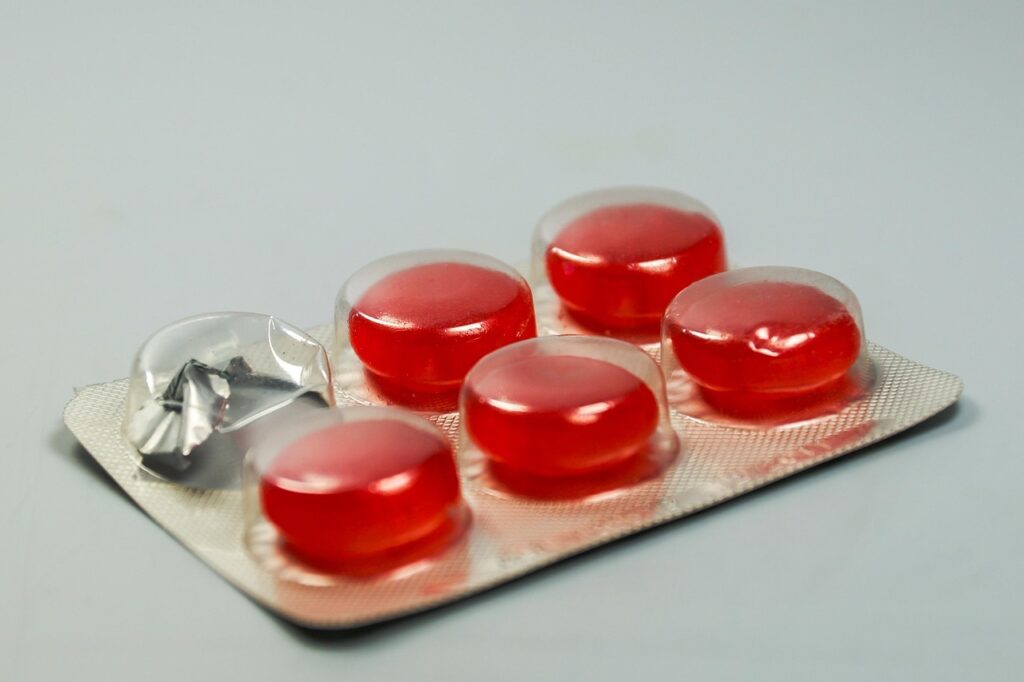
Sublingual lozenges or dissolvable tablets dissolve under your tongue for absorption through oral tissues. While less invasive than injections, this method offers lower and less predictable bioavailability. Many patients prefer this option for maintenance therapy or when avoiding injectable treatments.
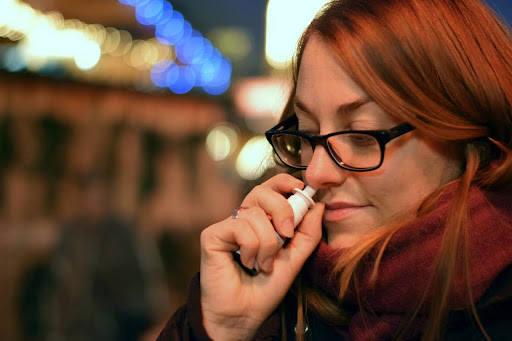
Spravato (esketamine) nasal spray provides FDA-approved treatment for treatment-resistant depression. This non-invasive delivery method offers rapid onset while requiring professional supervision. Patients must remain monitored for at least two hours post-administration due to potential sedation and dissociation effects.
Ketamine can be taken orally in the form of specially prepared troches. While less common than other delivery methods, oral use offers a convenient and non-invasive option. The body processes ketamine differently through digestion, which can lead to a gentler onset and longer-lasting effects. This makes oral ketamine a valuable alternative for individuals seeking a flexible and accessible therapeutic experience.
Each administration method requires professional oversight to ensure safety and effectiveness. The choice depends on your specific condition, treatment goals, and medical history.
Ketamine can provide meaningful therapeutic benefits, but safe and effective treatment relies on licensed medical guidance. Professional oversight ensures proper dosing, safe administration methods, and ongoing monitoring of both physical and mental responses.
Without supervision, unsupervised or inconsistent use may increase the risk of urinary irritation, mild cognitive effects, or emotional strain. Following structured protocols with a licensed provider allows patients to access ketamine therapy safely while maximizing therapeutic outcomes.
Different administration methods, like oral troches and nasal spray have varying effects and absorption rates. Healthcare professionals help determine the best approach for each patient’s unique needs and goals, ensuring both safety and effectiveness throughout the treatment.
Safe and effective ketamine therapy starts with preparation. At DayTryp RX, every patient completes a thorough medical and mental health evaluation to identify risks, review medications, and set personalized treatment goals.
Before your first session, you’ll be guided on fasting, hydration, and other pre-treatment steps to support comfort and safety. Setting clear intentions and practicing mindfulness can also boost therapeutic outcomes.
We encourage patients to arrange reliable transportation and bring simple comforts like a journal or blanket. With expert guidance and preparation, DayTryp RX ensures you’re ready for a safe, focused, and meaningful treatment experience.
What happens during your actual ketamine session? Understanding the timeline and typical experiences can help reduce anxiety and prepare you for therapeutic success. How is ketamine taken during your appointment follows a structured, monitored process designed for your safety and comfort.
A typical ketamine therapy session lasts approximately 1.5 to 2 hours from start to finish. Before beginning, we review your health status, treatment goals, and any relevant medical history. Depending on your care plan, ketamine may be taken at home through prescribed oral troches or nasal spray.
During treatment, patients often notice sensations like lightness, calmness, or mild dissociation. Some describe floating feelings, visual changes like more vibrant colors, or a deep sense of relaxation. These effects usually peak within 40–60 minutes and then gradually subside. Experiences differ, but most find them manageable and often meaningful.
We’ll provide detailed safety instructions, ongoing telehealth support, and follow-up check-ins to ensure you’re progressing safely.
After the main effects fade, you’ll make it into a recovery phase where awareness gradually returns. Some patients choose to reflect quietly, while others discuss their experience with their provider or integration coach. This step supports lasting therapeutic benefits.
What happens after your ketamine session ends is just as important as the treatment itself. Post-session care maximizes therapeutic benefits and supports lasting healing beyond the clinic walls. Your ketamine treatment guide should emphasize that proper aftercare helps solidify the positive changes initiated during therapy.
How should you care for yourself immediately following treatment? Prioritize rest and hydration as your body and mind process the therapeutic experience. Ketamine can be physically and mentally demanding, so allowing recovery time helps reduce side effects like dizziness or mild nausea. Drink plenty of water and eat light, nourishing foods when you feel ready.
Why does integration matter for long-term success? Many patients benefit significantly from journaling their thoughts, emotions, and insights gained during sessions. This reflective practice helps decode often indescribable experiences and anchors new perspectives in your daily life.
Ketamine integration through therapy or coaching enhances your healing process by providing professional guidance. Trained integration specialists help you safely process feelings, build healthy coping skills, and apply new insights to real-world situations.
Integration support becomes crucial because ketamine opens a neuroplastic window where your brain remains more adaptable to positive change. Without intentional aftercare, this valuable opportunity may be lost or underutilized. Structured integration maximizes mental health improvements while reducing relapse risk.
DayTryp RX offers specialized integration coaching programs designed to complement your ketamine treatment, ensuring continuous care beyond sessions.
Ketamine therapy isn’t suitable for everyone, making comprehensive medical screening essential before starting treatment. Who should avoid this therapy? Certain medical and psychiatric conditions increase the risk of serious complications that outweigh potential benefits.
Individuals with severe heart conditions face significant risks from ketamine therapy. These include uncontrolled hypertension, recent heart attack, severe coronary artery disease, or aneurysms. Why are these conditions problematic? Ketamine can increase blood pressure and heart rate dangerously, potentially triggering cardiovascular emergencies.
Anyone with a history of schizophrenia or other psychotic disorders should generally avoid ketamine treatment. The medication’s dissociative effects can worsen these conditions, potentially triggering psychotic episodes or increasing symptom severity.
Active substance use disorders present another contraindication unless managed under extremely close clinical supervision. The risk of misuse or dangerous drug interactions becomes too high without proper addiction treatment protocols.
Pregnant and breastfeeding women should absolutely stay away from ketamine treatments due to its limited safety data.
Thorough medical and psychiatric evaluations by licensed clinicians identify potential contraindications before treatment begins. This careful screening process ensures safe ketamine use while providing reassurance that appropriate candidates receive responsible care.
We emphasize comprehensive evaluation protocols to maximize safety and treatment effectiveness.
Understanding how to take ketamine safely requires proper medical supervision, appropriate administration methods, and comprehensive integration support. When used responsibly under professional guidance, ketamine therapy can offer profound healing for depression, PTSD, and chronic pain conditions. The key lies in choosing experienced providers who prioritize safety protocols and patient education.
Medical screening ensures you’re an appropriate candidate. Professional monitoring protects your wellbeing during treatment. Integration support maximizes your therapeutic outcomes for lasting change.
Ready to start safe ketamine therapy? Connect with DayTryp RX to learn how our medically guided treatments can support your healing journey.
When administered under licensed medical supervision, ketamine is generally safe. Professional oversight ensures proper screening, dosing, and monitoring of cardiovascular, respiratory, and metal responses throughout the session.
Common clinical methods include IV infusion, intramuscular injection, sublingual tablets or lozenges, oral troches, and nasal spray. Each method varies in onset duration, and bioavailability, and a healthcare professional selects the best option for your needs.
Some oral or nasal options may be used at home, but only under strict medical guidance. Providers give precise dosing instructions and ongoing teleheath monitoring to ensure safety. Self-administering ketamine without supervision is strongly discouraged.
Individuals with severe heart conditions, uncontrolled hypertension, a history of psychotic disorders, active substance use issues, or pregnant and breastfeeding women should avoid ketamine. Medical screening identifies contraindications before treatment.
Patients often experience lightness, calmness, or mild dissociation. Effects typically peak within 40–60 minutes and subside gradually. Continuous monitoring ensures comfort and safety. Post-session reflection or guided integration helps solidify therapeutic benefits.
Preparation includes fasting, hydration, and arranging transportation. Aftercare emphasizes rest, hydration, light meals, and journaling insights. Integration coaching helps apply new perspectives and maximize lasting improvements.
Licensed clinicians reduce risks, optimize dosing, and provide real-time support. This approach ensures therapy is effective, safe, and tailored to your individual mental health needs.
