

The way people access mental health treatment is changing faster than most realize. For decades, the standard model involved scheduling an in-person appointment weeks or months out, driving to a clinic, sitting in a waiting room, and repeating the cycle on someone else’s timeline. In 2026, that model is being challenged at every level — by patients who want something better, by providers who see the inefficiency, and by technology that has finally caught up with the need. What is emerging in its place is not a compromise but a genuine improvement in how care is delivered and experienced.
The barriers to in-person mental health care are well-documented. Clinic-based treatment is expensive, especially for specialized services. Patients searching for a ketamine infusion often discover that a single session can cost hundreds of dollars, with a full series running into the thousands. On top of cost, geography matters. Patients in suburban sprawl, rural areas, or states with limited provider density face drives that make consistent care impractical.
Then there is the stigma factor. Walking into a psychiatric clinic or an infusion center still carries weight for many people, and that discomfort keeps a significant number of patients from ever starting. Add in waitlists that stretch for months at many practices, and the result is a system that fails the majority of people who need it most.
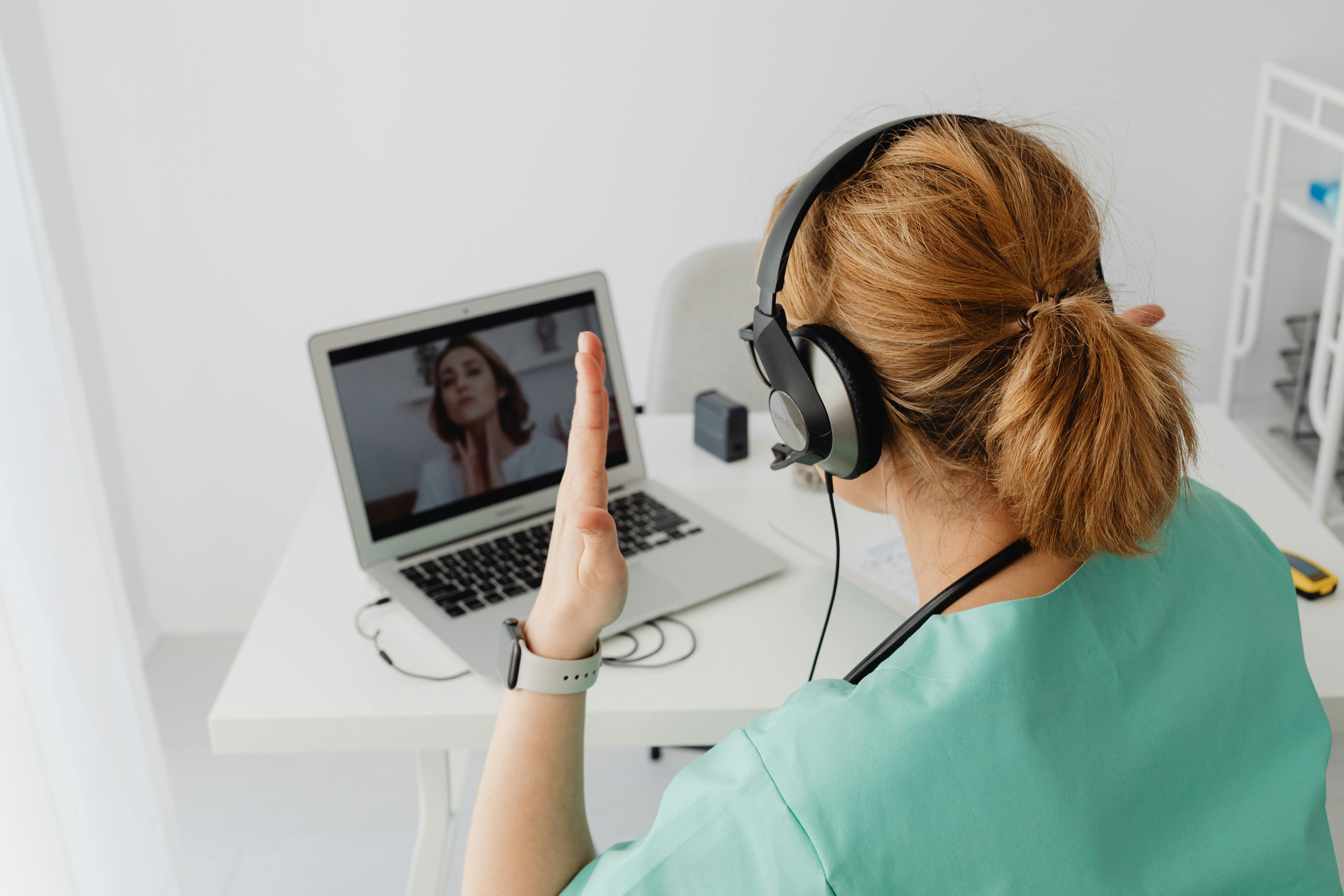
Telehealth existed before the pandemic, but the regulatory shifts that followed accelerated its credibility by years. Today, ketamine online treatment operates within a well-defined framework of state licensing, DEA oversight, and clinical best practices that make it comparable in rigor to in-person care. Providers conduct video evaluations, review medical histories, coordinate with compounding pharmacies, and monitor patients between sessions through secure messaging.
What makes the current model work is not just the technology — it is the clinical infrastructure behind it. Licensed providers prescribe based on thorough evaluations. Pharmacies compound medications under state and federal regulations. Follow-ups happen on a set cadence. The result is a form of home-based ketamine treatment that carries the same clinical accountability as a brick-and-mortar practice, delivered through a more accessible channel.
No treatment illustrates the telehealth shift better than at-home ketamine therapy. What was once only available in clinical infusion suites is now prescribed remotely in two primary formats. Ketamine troche therapy uses sublingual lozenges that dissolve under the tongue for a gradual, controlled experience lasting 45 to 90 minutes. Patients who prefer a faster onset and shorter session often choose a ketamine nasal spray, which delivers the medication through the nasal mucosa for quicker absorption.
Both formats are prescribed by licensed providers, filled by compounding pharmacies, and shipped discreetly. The cost advantage is significant — affordable at-home ketamine therapy programs typically run a fraction of what a comparable series of IV infusions would cost, with no facility fees, no travel expenses, and no time off work. For patients with treatment-resistant depression, PTSD, or chronic anxiety, this accessibility can be the difference between getting care and going without.

A prescription alone is not therapy. What separates a legitimate telehealth ketamine program from a simple medication delivery service is the integration layer — the structured support that helps patients process their experiences and translate insights into lasting behavioral change. This includes journaling practices, provider check-ins, and, in some programs, group integration sessions led by trained facilitators. At Daytryp RX, we built our program around integration from the beginning because we saw that patients who engaged with it consistently reported deeper, more durable results than those who relied on medication alone.
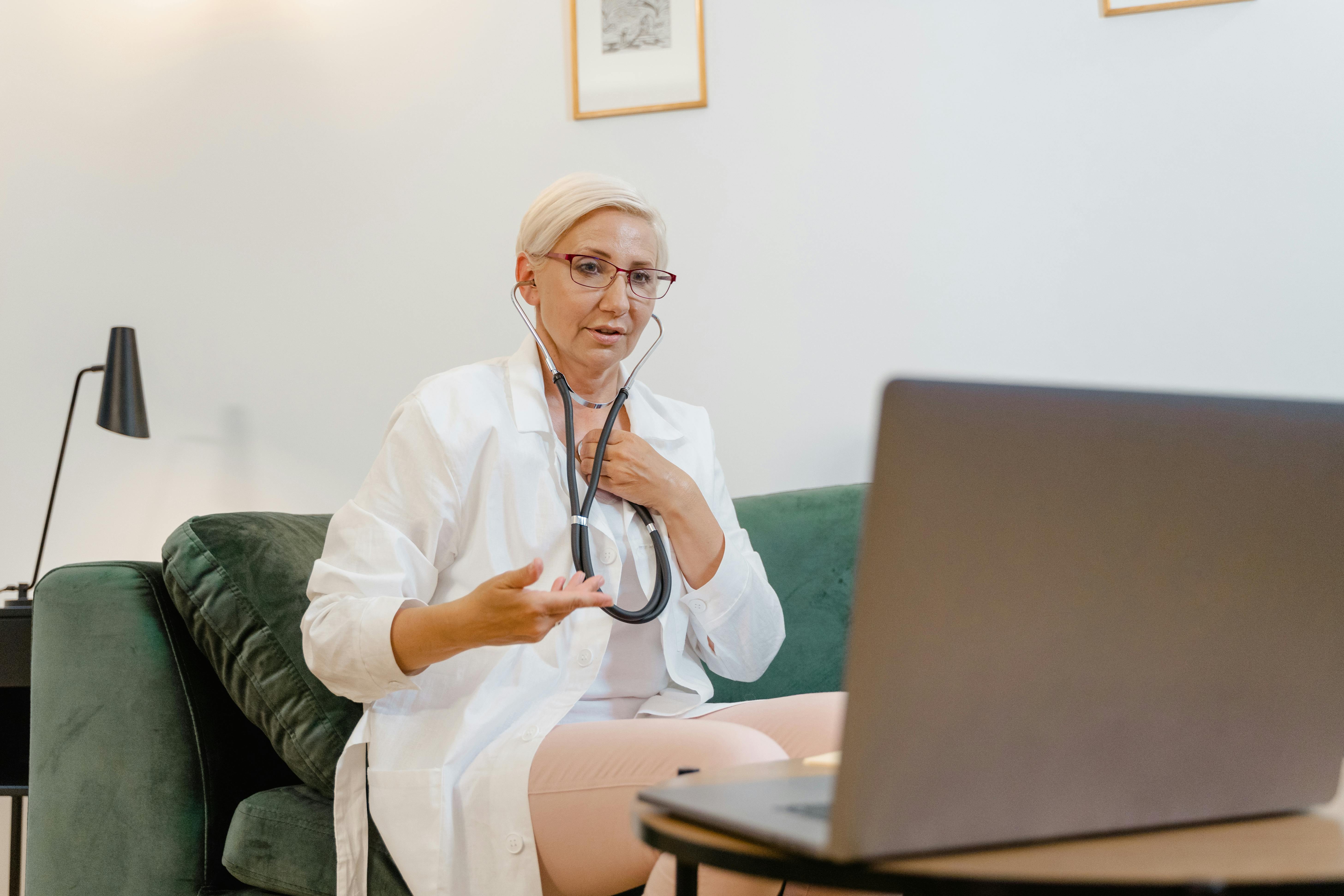
The regulatory environment continues to evolve in real time. The DEA has extended telehealth prescribing flexibilities multiple times since the pandemic, and several states have introduced legislation to make these policies permanent. Meanwhile, the broader psychedelic medicine movement is gaining institutional support. While most psychedelics remain controlled, interest in what a psychedelic-assisted therapy clinic model might look like within legal frameworks is growing steadily. Ketamine remains the only psychedelic-adjacent substance that can be legally prescribed for off-label mental health use through telehealth, which positions it as the gateway to a much larger conversation about how these treatments should be accessed.
Is online ketamine therapy legal?
Yes. When prescribed by a licensed provider within their state’s telehealth regulations and filled by a licensed compounding pharmacy, at-home ketamine therapy is legal in most states. Specific rules vary, so eligibility is confirmed during the intake process.
How does remote monitoring work?
Providers conduct scheduled video or messaging check-ins between sessions to review the patient’s response, adjust dosing as needed, and address any concerns. This ongoing relationship is a core part of responsible ketamine therapy from home programs.
Who qualifies for at-home ketamine therapy?
Candidates are typically adults diagnosed with treatment-resistant depression, anxiety, PTSD, or other conditions that have not responded to traditional medications. A thorough medical evaluation is completed before any prescription is issued.
Is telehealth ketamine as effective as clinic-based treatment?
Published research and patient outcomes suggest that supervised at-home programs can achieve comparable results to infusion clinics, particularly when integration and follow-up support are included.
At Daytryp RX, we created our ketamine online treatment platform because we believe no one should have to wait months, drive hours, or spend thousands just to access mental health care that works. Our licensed providers guide every patient through a thorough evaluation, personalized treatment plan, and ongoing clinical support — all from the comfort of home.
If you have been searching for a treatment path that finally feels different, we are here to help. Contact us through our secure patient messaging portal, and one of our providers will personally walk you through what the process looks like for your specific situation.
