

Many people wonder if using GLP-1 drugs (like semaglutide/Ozempic) for weight loss is only “for diabetics.” In reality, GLP-1 agonists have FDA-approved uses beyond diabetes. Semaglutide (branded Ozempic for diabetes and Wegovy for weight) and similar drugs are proven to help people lose weight under medical supervision. Studies and clinical practice show that, when prescribed properly, GLP-1 medications can be safe and effective in non-diabetic patients with obesity or overweight conditions. This means adults without type 2 diabetes may be eligible to use these drugs for weight loss — if they meet the medical criteria and have a doctor’s guidance.
Daytryp RX emphasizes this point: GLP-1 weight-loss treatments are FDA-approved for obesity. For example, the FDA has approved the semaglutide injection (Wegovy) specifically for chronic weight management in people with obesity (BMI ≥30) or overweight (BMI ≥27 with related health issues). In short, GLP-1s are not limited to diabetes care. Under physician oversight, eligible non-diabetic patients can safely use them to lose weight.
GLP-1 medications are FDA-approved for three main conditions: type 2 diabetes, obesity (weight management), and certain cardiovascular risk reduction. For example, the FDA has approved:
Health information experts stress that Wegovy and Saxenda are specifically approved for weight loss in non-diabetics, while Ozempic (the same drug but at a lower dose) is approved for diabetes. In fact, one Harvard Health article notes: “Two of these GLP-1 receptor agonists are FDA-approved in formulations specifically designed for weight loss in people without diabetes: liraglutide (Saxenda) and semaglutide (Wegovy)”.
In practice, this means semaglutide can be used safely to promote weight loss in carefully selected non-diabetic patients. Providers follow dosing guidelines (like gradual titration) and monitor labs, as they would for diabetic patients. A StatPearls review confirms that semaglutide (Wegovy) was FDA-approved “for promoting weight loss in individuals dealing with obesity and overweight”.
Patients who may qualify for GLP-1 weight-loss therapy are typically those with obesity or overweight plus health risks. For example:
Doctors carefully screen candidates. The Cleveland Clinic notes that semaglutide or high-dose liraglutide may be prescribed for people with overweight and have other health conditions if weight loss would help manage those conditions. In all cases, a licensed provider evaluates your overall health and lab tests before prescribing. This ensures the medication is appropriate and safe for you.
Expert caution: According to Harvard Health, while GLP-1s are effective, “whether they can be safely used for all people who simply want to lose an extra 10 to 20 pounds is questionable.” In other words, these drugs are most appropriate for those with genuine obesity/overweight issues. Daytryp’s doctors follow this principle: they assess all patients individually and only prescribe GLP-1 therapy when medically indicated.
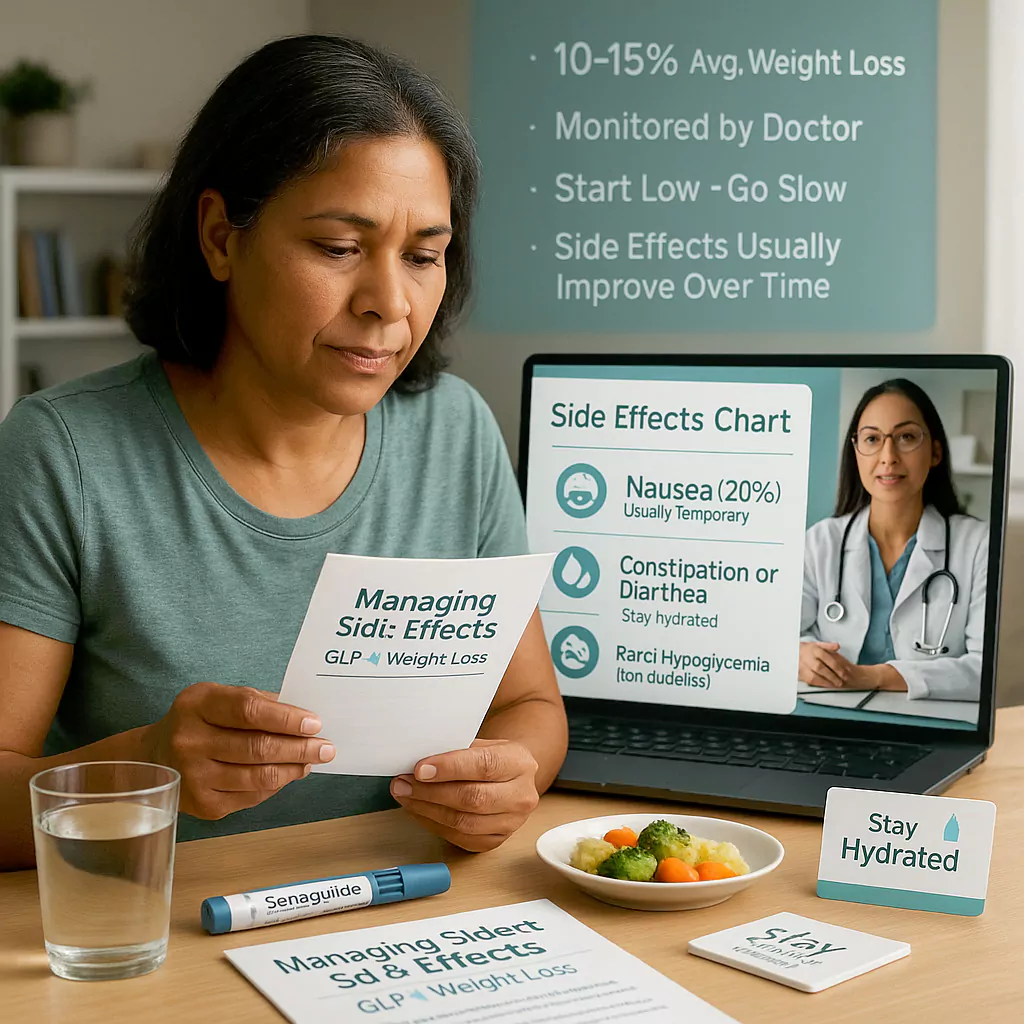
All medications have potential side effects, and GLP-1 drugs are no exception. However, they generally have a favorable safety profile when managed by a healthcare provider:
Overall, studies show GLP-1s are effective in non-diabetics for weight loss: pooled trials report nearly 10–15% body-weight reduction versus placebo. But they do require caution. For example, a meta-analysis found semaglutide users had about twice the rate of GI side effects and a slightly higher rate of serious events than placebo. This is why Daytryp’s programs emphasize monitoring and education – patients learn how to manage nausea, avoid dehydration, and recognize warning signs.
Key point: When used correctly, GLP-1 medications offer a substantial safety benefit: effective weight loss under doctor care. As the Cleveland Clinic advises, anyone with obesity or being overweight should talk to their healthcare provider about GLP-1 treatments. At Daytryp, every patient gets a medical evaluation and regular follow-up, which ensures any side effects are addressed promptly.
Daytryp RX specializes in making safe GLP-1 weight loss accessible. Our physician-led, telehealth-based programs include:
In short, Daytryp’s approach ensures that “GLP-1 weight loss” means medically supervised weight loss. We don’t just hand out medication; we provide comprehensive care. This aligns with the advice of experts – treatment should be under close supervision, with lifestyle changes alongside medication. Our patients achieve results with confidence and support.
As demand for weight management solutions grows, many individuals are now exploring GLP-1 weight loss treatment online through medically supervised platforms. This approach allows patients to begin with a virtual consultation, where a licensed provider evaluates eligibility based on BMI, health history, and overall goals.
For those considering options like semaglutide treatment online, this model provides a structured and convenient way to access care without frequent in-person visits. Patients receive guidance on dosing, side effect management, and long-term expectations, all while staying connected with a healthcare provider.
One of the key benefits of GLP-1 weight loss treatment online is consistency. Regular check-ins, progress tracking, and clear communication help ensure that treatment stays aligned with individual needs. This reduces the risk of misuse and helps patients manage side effects more effectively.
However, safety depends on proper medical supervision. Choosing a licensed provider ensures that treatment is appropriate, monitored, and adjusted over time. When done correctly, online care can offer both accessibility and a safe path to sustainable weight loss.
GLP-1 weight loss medications can be safe and effective for non-diabetics when used under proper medical supervision. These treatments are not limited to diabetes care and are widely used for managing obesity and related conditions.
Whether you access care in person or through GLP-1 weight loss treatment online, the key is structured, physician-guided support. With the right approach, patients can achieve meaningful and sustainable results while minimizing potential risks.
Yes, if they meet medical criteria and are supervised by a healthcare provider.
Yes, certain versions like Wegovy and Saxenda are approved for weight management.
Yes, through licensed providers offering medically supervised programs.
Nausea, digestive issues, and reduced appetite are the most common.
People with certain conditions, such as specific thyroid issues, should avoid them unless cleared by a doctor.
At Daytryp RX, we provide physician-led support for individuals exploring GLP-1 weight loss treatment online. From eligibility assessment to ongoing monitoring, our approach ensures safe, structured, and personalized care. Connect with our team to take a confident step toward long-term weight management.
