

For individuals living with treatment-resistant depression, the journey to relief can be frustrating. Many patients have already tried multiple antidepressants, including SSRIs and SNRIs, as well as counseling or psychotherapy without achieving meaningful improvement. As research into alternative therapies expands, ketamine troches for depression have gained attention as a potential option for carefully selected patients.
Let’s explore what current research reveals about their effectiveness, safety, and role in treating treatment-resistant depression.
Treatment-resistant depression generally refers to depression that remains significant despite adequate trials of at least two antidepressant medications. Patients often experience persistent symptoms that interfere with work, relationships, sleep, and daily functioning.
Because traditional medications may take weeks to work and are not effective for everyone, researchers have explored treatments that act through different biological pathways. Ketamine has emerged as one of the most studied alternatives.
Studies suggest that ketamine troches for depression may provide symptom relief more rapidly than many traditional antidepressants. Unlike standard medications that primarily target serotonin or norepinephrine, ketamine affects glutamate signaling, which plays an important role in brain function and neural connectivity.
Published research has reported meaningful improvements in depressive symptoms among many treatment-resistant patients. Some individuals experience benefits within hours or days, although results vary between patients. Researchers continue evaluating long-term outcomes and optimal treatment schedules.
Clinical findings indicate that a portion of patients achieve significant symptom reduction or remission following ketamine treatment. However, response durability differs from person to person.
Some patients maintain benefits for extended periods with appropriately supervised maintenance protocols, while others may require ongoing treatment adjustments. This variability highlights the importance of individualized care rather than a one-size-fits-all approach.
Patients considering at-home ketamine therapy should understand that treatment plans are typically customized based on symptoms, medical history, treatment response, and provider recommendations.
Current evidence supports structured protocols that include screening, medical evaluation, dosing guidance, monitoring, and follow-up care. Ketamine treatment is generally most effective when integrated into a broader mental health strategy that may include therapy, lifestyle improvements, and ongoing provider support.
Programs offering home-based ketamine treatment often include telehealth evaluations, medication delivery through licensed pharmacies, and regular progress assessments. These safeguards help support both safety and treatment effectiveness.
As public awareness grows, some individuals search for shortcuts or consider buying ketamine online through unverified sources. This approach creates significant safety risks, including counterfeit products, inaccurate dosing, and lack of medical supervision.
Research supporting ketamine therapy is based on controlled clinical settings and provider oversight. Patients achieve the greatest benefit when treatment follows established medical protocols and includes ongoing evaluation.
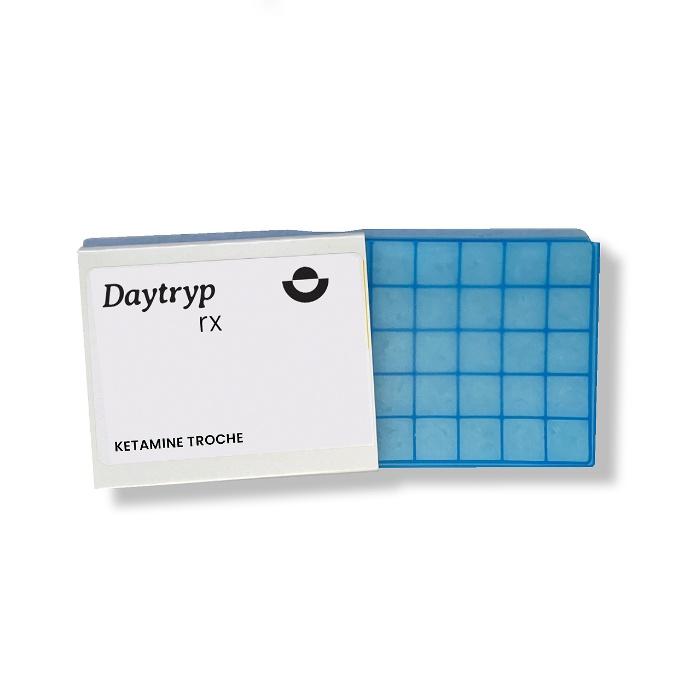
DaytrypRX uses current clinical evidence to guide decisions regarding ketamine troches for depression and other mental health treatment options. Through comprehensive telehealth evaluations, licensed providers assess each patient’s medical history, symptoms, and treatment goals before determining eligibility. We also offer ketamine nasal spray, oral tirzepatide drops, and lipotropic b12 injections when clinically appropriate.
Get started today to explore evidence-based options and discover whether ketamine therapy may be appropriate for your situation.
