
Psychedelic-assisted therapy is no longer a fringe conversation. In 2026, patients are hearing about ketamine, psilocybin, and MDMA from podcasts, research headlines, trauma specialists, and telehealth providers. The interest is understandable: many people living with depression, PTSD, anxiety, and emotional burnout want options beyond traditional talk therapy or daily medications alone. Still, this field requires clarity.
Here’s why a professional psychedelic-assisted therapy clinic
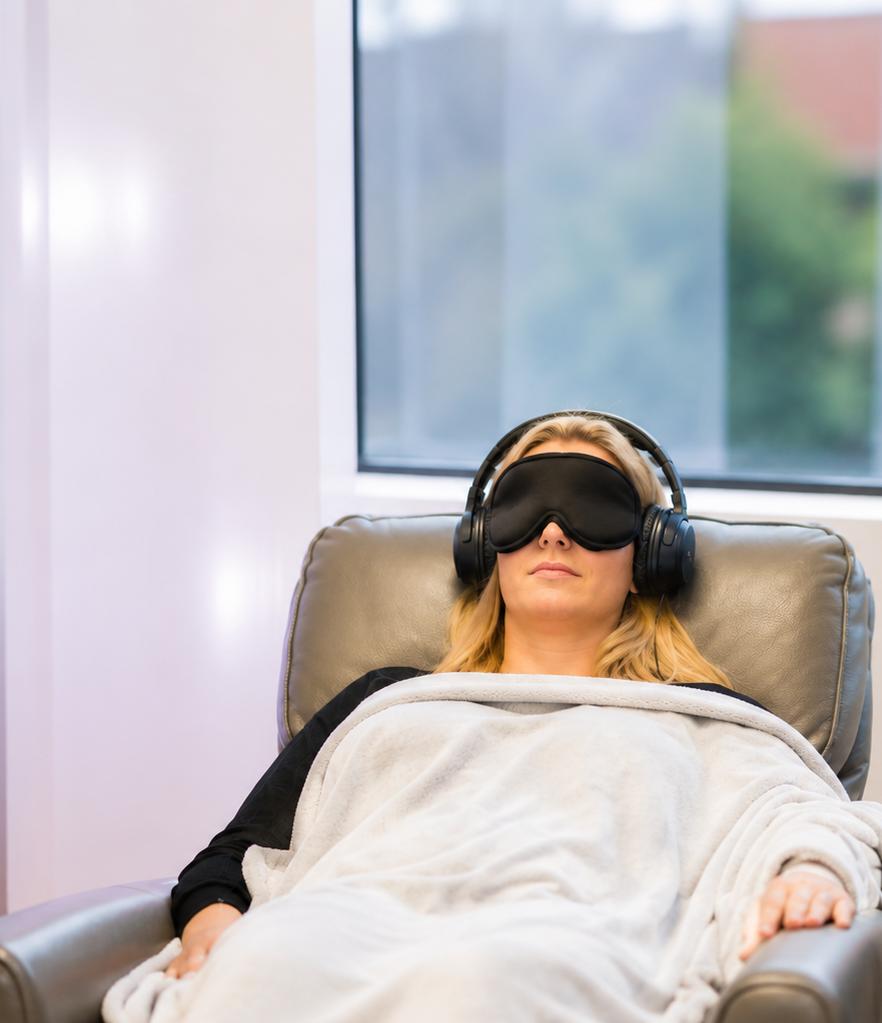
At its best, psychedelic-assisted therapy uses a medicine to temporarily shift perception, emotional processing, and mental flexibility while trained professionals guide the therapeutic framework. The medicine is not the entire treatment. Preparation helps patients understand expectations, safety steps, intentions, and possible emotional responses.
The session itself may involve ketamine troches, nasal spray, or another clinically appropriate format, depending on the program. Integration afterward helps patients connect insights to real habits, relationships, thought patterns, and coping skills. That structure is what separates clinical care from recreational use.
Research is strongest for ketamine’s rapid effects on treatment-resistant depression, especially when patients have not responded well to standard approaches. Studies also continue exploring ketamine for PTSD, anxiety symptoms, and suicidal thinking, though individual outcomes vary.
Psilocybin research has shown promise for depression, distress related to serious illness, and addiction, but legal access remains limited and location-specific. MDMA-assisted therapy for PTSD has produced notable research interest, but federal approval in the United States has faced regulatory concerns. Patients should be careful with headlines. Promising research does not mean every psychedelic is legally available, appropriate, or safe for every person. It also does not replace diagnosis, medication review, or crisis care.
The most useful studies point toward structured support, screened participants, and measured follow-up rather than unsupervised use. Patients should view evidence as encouraging, but still developing. Good programs translate research carefully, without overstating results or risk.
Depression is one of the most common reasons patients seek psychedelic-informed care. Ketamine may create a window where rigid negative thinking feels less fixed, which can support therapy and behavior change. PTSD care often focuses on trauma memories, avoidance patterns, hypervigilance, and emotional shutdown.
Anxiety-related treatment may address fear loops, rumination, and nervous system reactivity. However, these therapies are not quick personality fixes. A responsible psychedelic-assisted therapy clinic reviews medical history, psychiatric history, medications, substance use concerns, and goals before recommending any protocol.
Ketamine is the main legal psychedelic-like medicine currently used through licensed medical programs in the United States, including certain at-home models when prescribed and monitored appropriately. It has long-standing medical use as an anesthetic, while psychiatric use is handled through clinical judgment and, in some cases, compounded formulations.
Programs offering ketamine online should still include provider evaluation, clear dosing instructions, safety screening, follow-up, and emergency guidance. At-home access can be convenient, but it should never feel casual. Patients need structure, privacy, support, and realistic expectations.
Licensed telehealth programs have changed how patients explore this care. Someone researching at home ketamine therapy in Arizona may now find programs that begin with an online questionnaire, provider evaluation, and discreet shipment if treatment is prescribed.
This model can help patients who cannot easily travel, feel uncomfortable in clinic settings, or need flexible scheduling. The strongest programs keep medical oversight at the center. They explain who qualifies, who should avoid treatment, how sessions should be prepared for, and when follow-up is needed.
A ketamine retreat may sound appealing because it suggests rest, transformation, and guided emotional work in a dedicated setting. Retreats can vary widely, though, and not all offer the same level of medical evaluation or continuity.
Clinical telehealth programs are different because they focus on screening, prescription appropriateness, dosing instructions, and ongoing support. Patients should ask who provides medical oversight, what credentials are involved, whether therapy or integration is included, and how adverse reactions are handled. Comfort matters, but safety and accountability matter more.
Daytryp RX patients may encounter educational resources on ketamine troches, ketamine nasal spray, and integration practices. Internal links to ketamine troches, nasal spray, and integration blogs can help patients compare formats and understand the full process before beginning.
Troches are typically dissolved in the mouth, while nasal spray protocols may involve different timing and absorption considerations. Integration blogs are especially valuable because they explain what happens after the session: journaling, therapy conversations, lifestyle adjustments, and reflection. The goal is not just an experience; it is meaningful follow-through.

Before choosing any psychedelic-assisted therapy clinic, patients should ask direct questions. Is the program licensed? Who reviews the medical intake? What conditions may make treatment inappropriate? Are current medications reviewed for interactions? What support is available before, during, and after treatment?
Are expectations explained honestly? Patients should also ask whether the program makes exaggerated promises. Ethical providers avoid guaranteeing a cure. They discuss benefits, limits, risks, and responsibilities in plain language.
Daytryp RX brings a clinical approach to psychedelic-informed wellness by combining telehealth access, provider evaluation, discreet fulfillment, and ongoing education. For patients comparing a psychedelic-assisted therapy clinic, the goal is not simply convenience; it is guided care that feels clear, responsible, and supportive.
We also offer hair force one medication, ketamine nasal spray at home, tirzepatide oral tablet, and glutathione injection for sale when appropriate. From ketamine education to longevity-focused treatments, Daytryp RX helps patients explore care with professional oversight.
Contact us today to learn which options may fit your goals.
