
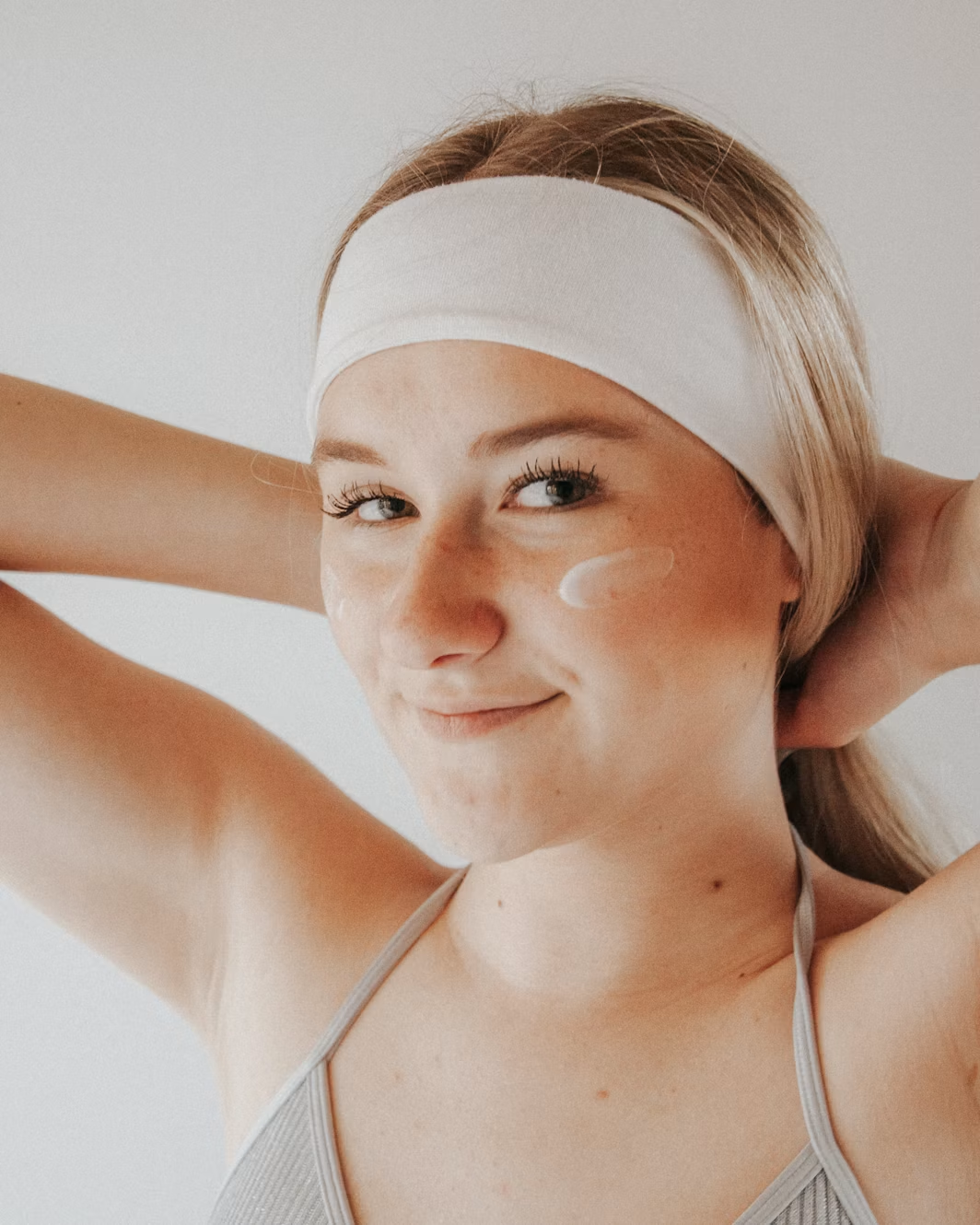
Spend any amount of time researching skincare, and you will encounter a paradox. The ingredients that clinical research consistently identifies as genuinely effective are nearly all prescription-only, while the products filling pharmacy shelves and e-commerce carts contain diluted versions of these ingredients at concentrations too low to produce measurable change. The beauty industry is built on selling the idea of results while carefully avoiding the regulation that would require proving them. For patients who have figured this out through experience, the next question is not which serum to try. It is how to access the category of intervention that actually works.
The visible signs of aging are driven by biological processes that begin at the cellular level, not the skin surface. Mitochondrial dysfunction reduces the energy available for cellular repair and renewal. NAD levels fall progressively from the mid-twenties, diminishing the coenzyme that powers the mitochondria and the sirtuin enzymes involved in DNA repair. Glutathione levels decline with age, reducing the antioxidant defense that protects skin cells from oxidative damage. Collagen production slows as fibroblast activity decreases and growth factor signaling weakens.
Topical products address these processes at the surface of the skin. The ingredients in most retail skincare products cannot penetrate deeply enough to reach the dermal fibroblasts responsible for collagen synthesis, and they certainly cannot address the systemic mitochondrial and antioxidant environment that determines how cells age. This is the fundamental limitation that no amount of marketing can overcome.

Compounded prescription formulations represent a categorically different approach. A prescription topical combining tretinoin, GHK-Cu peptide, estriol, and niacinamide at therapeutic concentrations can penetrate to the level of dermal fibroblasts and produce measurable changes in collagen synthesis, pigmentation, and texture that retail products cannot replicate.
The Stella face cream formulation at Daytryp RX combines exactly these actives. Tretinoin, the most clinically studied retinoid, drives epidermal cell turnover and stimulates collagen production through retinoic acid receptor activation. GHK-Cu peptide stimulates fibroblast proliferation and collagen and elastin synthesis at the cellular level. Estriol supports dermal hydration and thickness. Niacinamide reduces pigmentation and strengthens the skin barrier. None of these ingredients are available in retail skincare at the concentrations that produce results, and most of the combination is only achievable through compounding.

The standard explanation for androgenetic alopecia focuses almost entirely on DHT and the follicle miniaturization it causes. This is accurate but incomplete. Scalp inflammation, nutrient depletion, oxidative stress, and hormonal shifts all contribute to accelerating the miniaturization process and determining how quickly it progresses. Patients who address only the DHT component often see partial results that plateau.
Physician-prescribed protocols like Hair Force One medication address hair loss through multiple mechanisms simultaneously. Rather than relying on a single DHT-blocking ingredient, a compounded protocol can combine DHT inhibition with anti-inflammatory agents, follicle-stimulating compounds, and nutritional co-factors in a single physician-prescribed formulation. Patients who explore the broader hair force one supplement category through a supervised program receive a protocol designed around their specific pattern of loss and hormonal profile rather than a generic off-the-shelf product.
Surface treatment, even at clinical concentrations, addresses the local environment of the skin and scalp. What it cannot address is the systemic environment that determines the rate of cellular aging, the quality of the oxidative defense, and the availability of the nutrients and signaling molecules that skin and hair cells need to function well.
This is where systemic antioxidant therapy becomes clinically relevant. Patients who include a glutathione nasal spray protocol in their program are addressing the whole-body oxidative burden that drives aging at the cellular level. Those who access buy glutathione injection online through a licensed provider receive pharmaceutical-grade glutathione in a format that achieves systemic levels that oral supplements cannot match. The combination of prescription topical treatment and systemic antioxidant support is what the inside-out model actually means in practice.
NAD therapy supports the mitochondrial function that powers skin cell renewal, DNA repair, and the metabolic processes that determine how well cells respond to both environmental stress and the repair signals that prescription topicals deliver. Patients who combine NAD therapy with prescription skin formulations are not simply stacking products. They are addressing the energy infrastructure that determines whether cells can act on the signals those formulations send.
The inside-out approach is most appropriate for patients who have already tried high-quality topical products and found the results disappointing, patients in their thirties or older who are beginning to notice the compounding effects of cellular aging, and patients who are already engaged with a physician-supervised health platform and want to extend that relationship to aesthetic goals. It is also relevant for any patient who understands the biology enough to know that the product market and the clinical evidence are telling two very different stories.
How long before prescription skin protocols produce visible results? Most patients notice textural improvements within six to eight weeks. Significant changes in pigmentation and firmness typically develop over three to six months of consistent use. The longer timeline reflects the fact that these formulations are producing actual structural change in the skin rather than surface-level hydration or optical enhancement.
Is injectable glutathione safe for ongoing use? Injectable glutathione for sale through a supervised program is generally well tolerated. A provider will evaluate the patient’s health history, screen for any contraindications, and recommend appropriate dosing and frequency. Pharmaceutical-grade compounding at a licensed pharmacy ensures potency and sterility standards that are not guaranteed in retail or unregulated sources.
Can I use prescription topicals alongside my existing skincare routine? In most cases, yes. A provider will advise on whether any existing products interact with the prescription formulation and whether the routine needs to be simplified. Many patients find they can reduce the number of products they use significantly once they have access to a compounded formulation that addresses multiple goals simultaneously.
At Daytryp RX, we offer physician-supervised skin and hair programs built around compounded prescription formulations, systemic antioxidant therapy, and NAD support. The Stella face cream protocol is one component of a broader approach that addresses the cellular environment in which skin and hair health are determined. Our licensed providers evaluate each patient individually, design programs that address their specific goals, and monitor response over time.
If you are ready to move beyond retail products and into a program with clinical evidence behind it, contact us through our secure patient messaging portal, and one of our providers will personally walk you through what an inside-out protocol would look like for your situation.

