
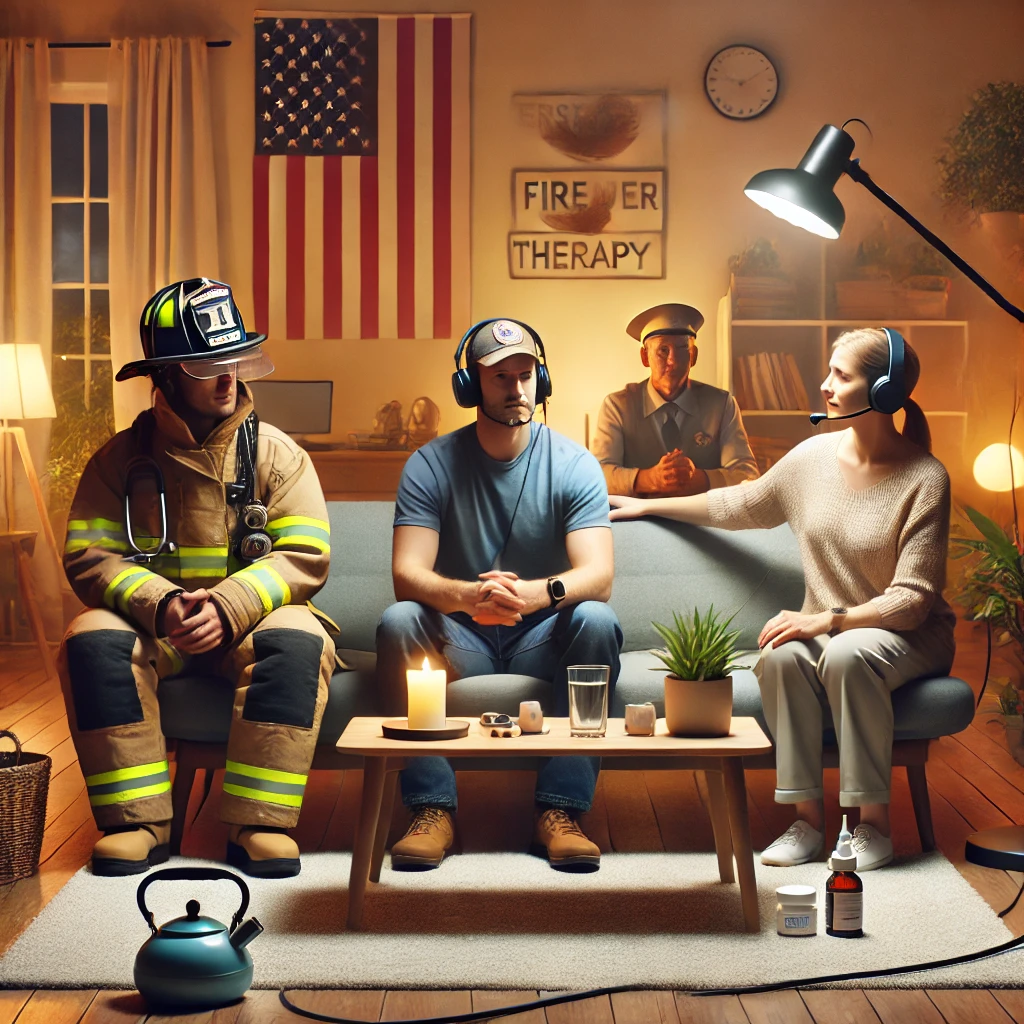
Post-traumatic stress disorder (PTSD), chronic pain, depression, and anxiety are among the most debilitating conditions faced by veterans, police officers, firefighters, and first responders. These individuals sacrifice their well-being to protect and serve others, often encountering traumatic events that take a severe mental and physical toll. Despite advancements in mental health care, traditional treatments like talk therapy and medications often fall short for these frontline heroes. Enter at-home ketamine therapy, a groundbreaking approach transforming how these conditions are treated in the United States.
At-home ketamine therapy offers unparalleled benefits for treating PTSD, chronic pain, depression, and anxiety, making it an increasingly explored treatment option for these populations. Here’s why it stands out as a suitable treatment option.
Ketamine, originally developed as an anesthetic, has emerged as a powerful tool in mental health care. Unlike traditional antidepressants, which may take weeks or months to show results, ketamine works rapidly. It targets glutamate receptors in the brain, fostering neuroplasticity and helping the brain rewire itself. This unique mechanism offers relief for individuals with treatment-resistant conditions.
The therapy is administered in controlled doses and has demonstrated exceptional efficacy in addressing severe depression, PTSD, chronic pain, and anxiety. While ketamine clinics have been the primary mode of administration, at-home ketamine therapy has gained traction for its convenience, accessibility, and effectiveness.
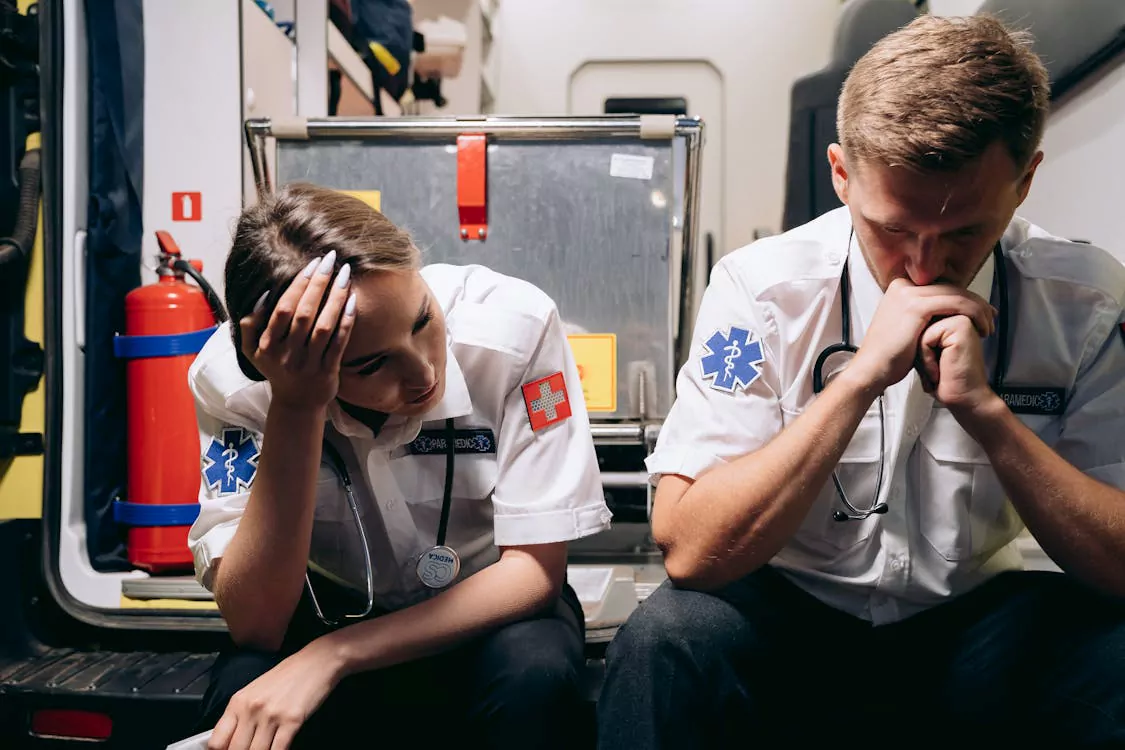
Veterans and first responders face unique stressors. Veterans may carry the psychological scars of combat, including PTSD and chronic pain from injuries. Police officers and firefighters regularly witness traumatic events, while paramedics grapple with the emotional toll of life-and-death emergencies. The mental health challenges they face are often compounded by stigma, making them hesitant to seek help.
Traditional treatments, including antidepressants and counseling, often have limitations:
At-home ketamine therapy addresses these challenges, providing a private, effective, and accessible solution.
The process for at-home ketamine therapy is straightforward yet carefully controlled to ensure efficacy:
Numerous studies underscore the efficacy of ketamine for treatment-resistant depression, PTSD, and chronic pain. For example:
– **A 2018 study in *The American Journal of Psychiatry*** found that ketamine reduced suicidal thoughts within 24 hours of administration.
– Research published in *JAMA Psychiatry* highlights ketamine’s rapid and sustained effects on PTSD symptoms.
– Chronic pain patients have reported significant reductions in pain levels after ketamine therapy, often with lasting results.
The impact of at-home ketamine therapy on veterans and first responders cannot be overstated. Consider these examples:
One of the most significant barriers to care for veterans and first responders is the stigma associated with seeking help. At-home ketamine therapy helps break down this barrier by offering a discreet, judgment-free way to access treatment. It normalizes the idea that seeking help is a sign of strength, not weakness.
As awareness of at-home ketamine therapy grows, so does its potential to revolutionize mental health care in the United States. Innovations in telemedicine and digital health tools are making the therapy even more accessible. Insurance coverage is expanding, and ongoing research is exploring new applications for ketamine in treating other conditions.
For veterans and first responders, getting consistent care can be difficult due to demanding schedules, location barriers, and privacy concerns. That’s why many are now turning to ketamine therapy online as a more practical and discreet solution.
With structured programs offering at-home ketamine treatment, individuals can receive care without stepping into a clinic. The process typically includes:
Options like ketamine therapy for PTSD at home and at-home ketamine therapy for anxiety are especially valuable for those who may feel uncomfortable seeking in-person care due to stigma or job-related pressures.
This approach allows frontline professionals to prioritize their mental health without disrupting their responsibilities or privacy.
At-home ketamine therapy is redefining how mental health care is delivered for veterans and first responders. It offers faster relief, greater accessibility, and a level of privacy that traditional treatments often lack.
For individuals who have spent years supporting others, this therapy provides a meaningful way to focus on their own healing. When guided by qualified professionals, it becomes a powerful tool for rebuilding emotional resilience and improving overall quality of life.
If you or someone you know is struggling with PTSD, anxiety, or depression, Daytryp RX provides a safe and supportive way to begin ketamine therapy online.
With personalized programs for at-home ketamine treatment, patients receive expert medical guidance, ongoing support, and the ability to heal in a familiar environment. Whether you’re considering ketamine therapy for PTSD at home or exploring options for anxiety and depression, Daytryp RX makes care accessible, private, and effective.
Start your journey with Daytryp RX and take a step toward lasting mental clarity and relief.
Yes, ketamine has shown strong results in reducing PTSD symptoms, especially for individuals who have not responded to traditional treatments.
Yes, many programs offer at-home ketamine therapy for anxiety and PTSD with proper medical supervision.
Many patients experience improvements within hours or days, making it one of the fastest-acting mental health treatments available.
It is safe when provided through licensed professionals who monitor treatment and create personalized plans.
It is commonly used for depression, anxiety, PTSD, and certain chronic pain conditions.
Not always. Many patients now access ketamine therapy online through telehealth-supported programs.
Patients often describe it as calming, introspective, and helpful for processing emotions.
A licensed provider will assess your medical history and symptoms to determine if treatment is appropriate.
