

Starting a GLP-1 medication often comes with questions about adjustment symptoms and comfort. Most patients researching GLP-1 side effects want to know what feels normal, what improves over time, and when they should contact a provider. The first 30 days are usually the biggest adjustment period because the body is adapting to appetite regulation, slower digestion, and changing eating patterns.
Here’s what to expect in the first 30 days.
The most frequently reported GLP-1 side effects include nausea, appetite changes, fullness, bloating, constipation, fatigue, and occasional stomach discomfort. Patients using oral tirzepatide drops, a tirzepatide oral tablet, or semaglutide oral formulations often notice these symptoms most strongly during the first few weeks. For many people, symptoms gradually improve as the body adjusts to treatment and dosing increases slowly over time.
GLP-1 medications work partly by slowing stomach emptying and helping patients feel fuller longer. While this supports weight management goals, it can also create temporary digestive discomfort during the adjustment phase.
Reduced appetite may also lead patients to unintentionally eat too little, contributing to fatigue or dizziness. Hydration, balanced meals, and consistent protein intake often help reduce discomfort during the first month.
One reason provider-guided treatment matters is because dosage adjustments are usually gradual. Slow titration allows the body more time to adapt and may reduce the intensity of GLP-1 side effects.
Patients should avoid increasing dosage too quickly without medical guidance. Smaller meals, hydration support, avoiding overeating, and limiting heavy or greasy foods may also help improve tolerance early in treatment.
Most mild digestive symptoms improve with time, but persistent vomiting, severe abdominal pain, dehydration, or worsening symptoms should always be discussed with a licensed provider. Patients should feel comfortable communicating openly about side effects instead of trying to manage difficult symptoms alone.
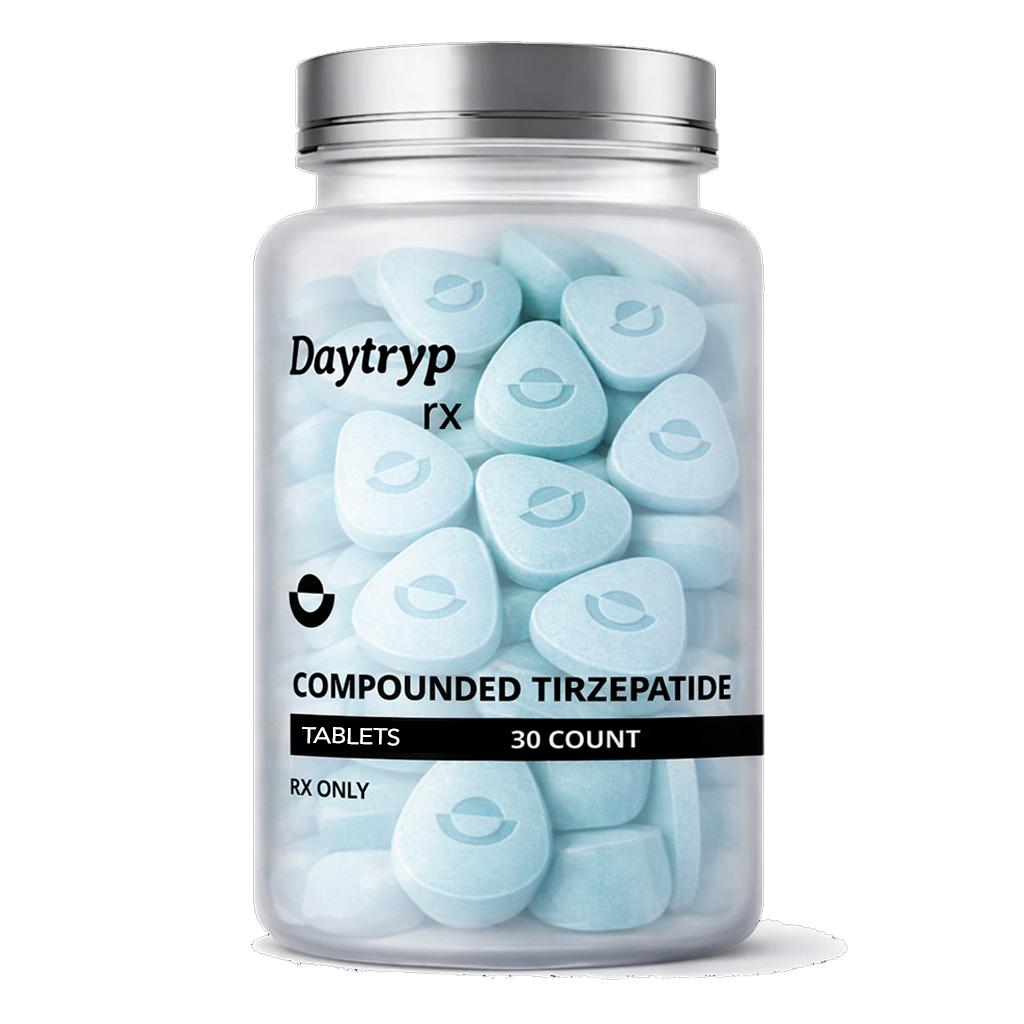
Daytryp RX helps patients navigate weight management treatment with education, provider-guided support, and realistic expectations during every phase of care. Whether patients are exploring a tirzepatide oral tablet, semaglutide oral options, or personalized wellness programs, We provide guidance designed to improve treatment comfort and long-term success.
Patients can also explore psychedelic therapy, supervised ketamine therapy, and skincare support with Stella face cream depending on their goals and eligibility.
Contact us today to learn more about personalized telehealth wellness solutions designed around your long-term health goals safely online.
