

Nicotinamide adenine dinucleotide, better known as NAD+, is a coenzyme found in every living cell. It plays an important role in converting nutrients into energy, supporting DNA repair, and regulating cellular processes involved in aging. Research suggests NAD+ levels can decline in certain tissues as people get older, prompting interest in its role in energy, recovery, and overall health.
However, many symptoms associated with low energy or aging are nonspecific. Fatigue, poor sleep, and difficulty concentrating do not automatically indicate low NAD+ levels. Understanding the science behind these symptoms helps separate established biological functions from claims that still require more evidence.
NAD+ helps cells produce energy by participating in reactions that convert nutrients into usable cellular fuel. Changes in NAD+ metabolism may affect cellular energy processes, which is one reason researchers are investigating its role in age-related changes.
Still, feeling tired throughout the day is not a reliable way to identify low NAD+ levels. Poor sleep, stress, nutritional deficiencies, medication effects, and several medical conditions can cause similar symptoms.
Recovery involves multiple processes, including muscle repair, inflammation regulation, and energy replenishment. NAD+ contributes to cellular pathways involved in these functions, and researchers are studying whether changes in NAD+ metabolism affect recovery with age.
However, taking longer to recover after exercise does not establish that NAD+ levels are declining. Training intensity, inadequate protein intake, hydration, and insufficient rest are more direct factors to assess.
NAD+ supports cellular metabolism and normal processes within the nervous system. Scientists are investigating how NAD+ availability relates to brain aging and neuronal function.
Nevertheless, brain fog is not a confirmed standalone sign of low NAD+. Sleep deprivation, stress, anxiety, medication effects, and other health issues can affect concentration. Current research does not establish that NAD+ therapy reliably resolves these symptoms in otherwise healthy people.
Sleep and NAD+ metabolism are connected through cellular processes and the body’s internal rhythms. Researchers are investigating whether NAD+ pathways influence age-related changes in sleep, but current evidence does not establish poor sleep as a dependable sign of declining NAD+.
Irregular sleep schedules, stress, caffeine late in the day, and underlying health conditions are more established factors to consider when sleep quality changes. Studies of NAD+ precursors have also produced mixed results for sleep outcomes.
A gradual decline in physical stamina or general resilience can have many causes. Research indicates that NAD+ levels decrease with age in certain tissues, potentially affecting cellular energy metabolism and DNA repair processes. However, these changes cannot be identified through symptoms alone. Age, activity levels, nutrition, chronic illness, and recovery habits all influence how a person feels over time.
Age is one factor researchers have identified, but NAD+ metabolism is also influenced by cellular stress, inflammation, DNA damage, and the activity of enzymes that consume NAD+. Nutrition and overall metabolic health may also affect the pathways involved in maintaining NAD+ levels.
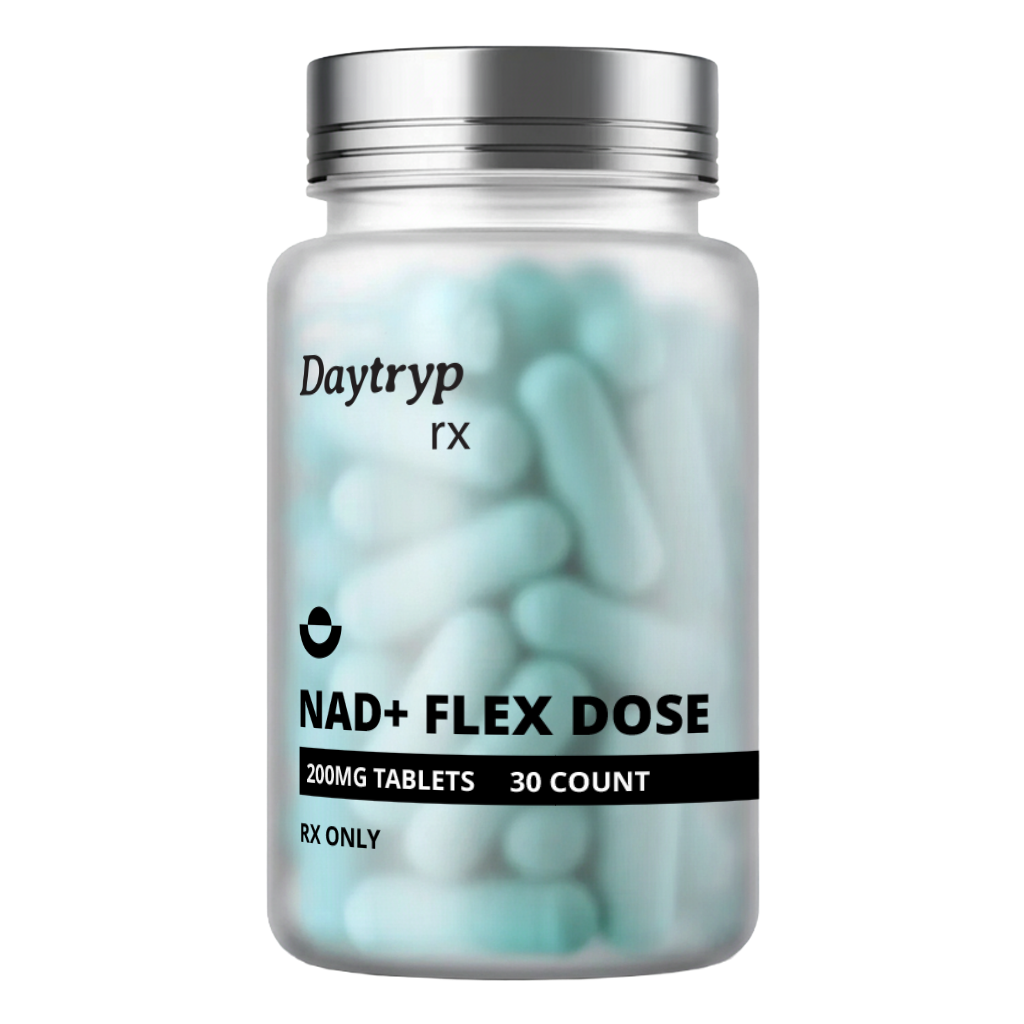
At Daytryp RX, we make it easier to explore personalized wellness options through convenient online consultations and ongoing support from licensed medical providers. Our NAD+ therapy options include NAD+ injections, tablets, and nasal spray, allowing eligible patients to discuss available formats based on their goals and medical history. If you’re considering whether an NAD+ treatment fits your wellness routine, our team can help you understand the available options and arrange a provider evaluation. We also offer ketamine therapy as part of our broader wellness range.
Contact us for more information.
