
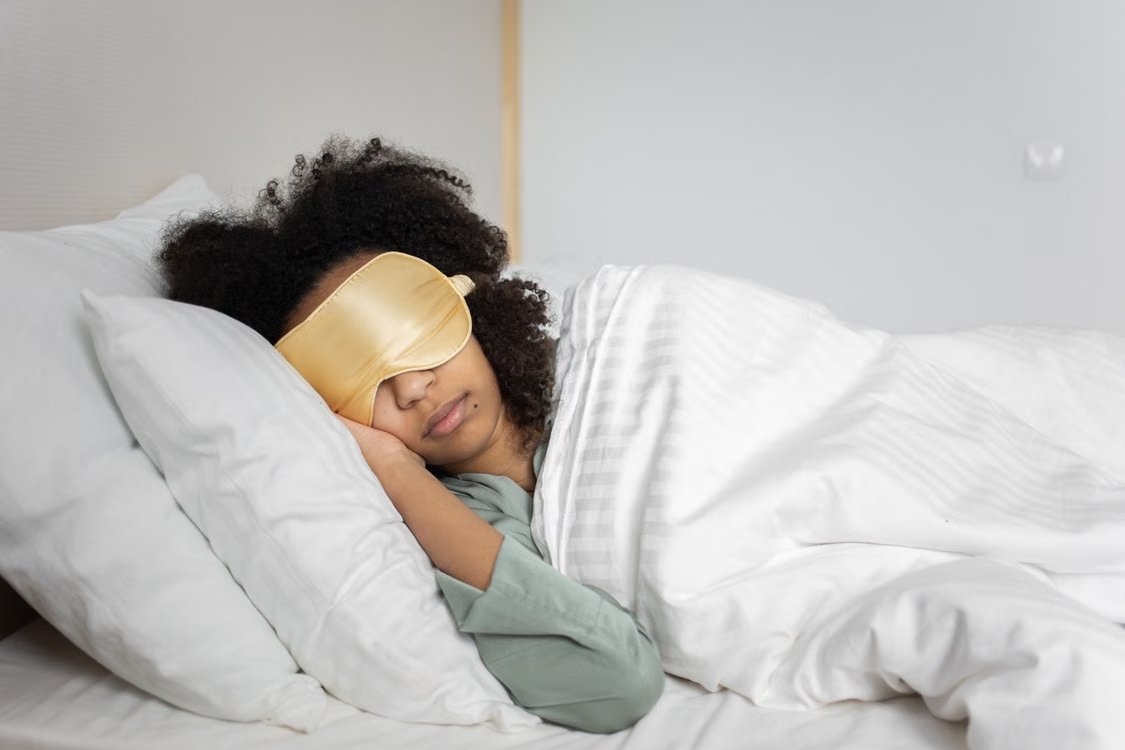
Sleep is an active biological process, not simply a period of rest. During the night, the body regulates hormones, supports tissue maintenance, and coordinates processes involved in physical recovery. One hormone linked to these functions is growth hormone (GH), which is released in pulses throughout the day and night.
This connection helps explain why some people explore sermorelin for sleep. Sermorelin stimulates the pituitary gland to release growth hormone, making it relevant to discussions about hormone signaling and overnight recovery. However, its biological effects should not be confused with proven improvements in sleep quality.
Growth hormone secretion follows a pulsatile pattern, meaning the body releases it in bursts rather than maintaining a constant level. In healthy adults, one of the largest daily GH pulses often occurs shortly after falling asleep, particularly in association with slow-wave sleep, also known as deep sleep.
This stage of sleep supports several important functions, including physical restoration and memory-related processes. GH contributes to tissue growth, protein metabolism, and other physiological activities. The relationship works in both directions: sleep architecture influences GH secretion, while hormonal regulation is part of the body’s broader recovery system. However, a natural association between deep sleep and GH release does not mean that increasing GH activity will automatically produce deeper or more refreshing sleep.
Sermorelin is a synthetic peptide based on growth hormone-releasing hormone (GHRH), a substance that signals the pituitary gland to release GH. Unlike taking growth hormone directly, sermorelin acts on the body’s own hormone-release pathway.
The response can depend on factors such as age, pituitary function, and individual health. Sermorelin’s mechanism explains why it attracts interest in discussions about growth hormone, but evidence supporting its use specifically for improving sleep in otherwise healthy adults remains limited. It is also important to distinguish biological activity from established clinical benefits. Changes in hormone levels do not necessarily translate into measurable improvements in sleep duration, deep-sleep time, or daytime energy.
Growth hormone release is closely linked to the early part of the sleep period, which helps explain why evening administration is commonly discussed in sermorelin protocols. The goal is to consider the body’s natural hormone rhythms rather than assume that timing alone improves sleep.
People exploring sermorelin may be interested in overnight recovery, energy, or age-related changes. These goals are understandable, but they should be separated from outcomes demonstrated in clinical studies.
Sermorelin is not an established treatment for insomnia, and it should not replace evidence-based approaches to sleep problems. Consistent sleep and wake times, a comfortable sleep environment, limiting late-day caffeine, and addressing underlying sleep disorders remain practical starting points.
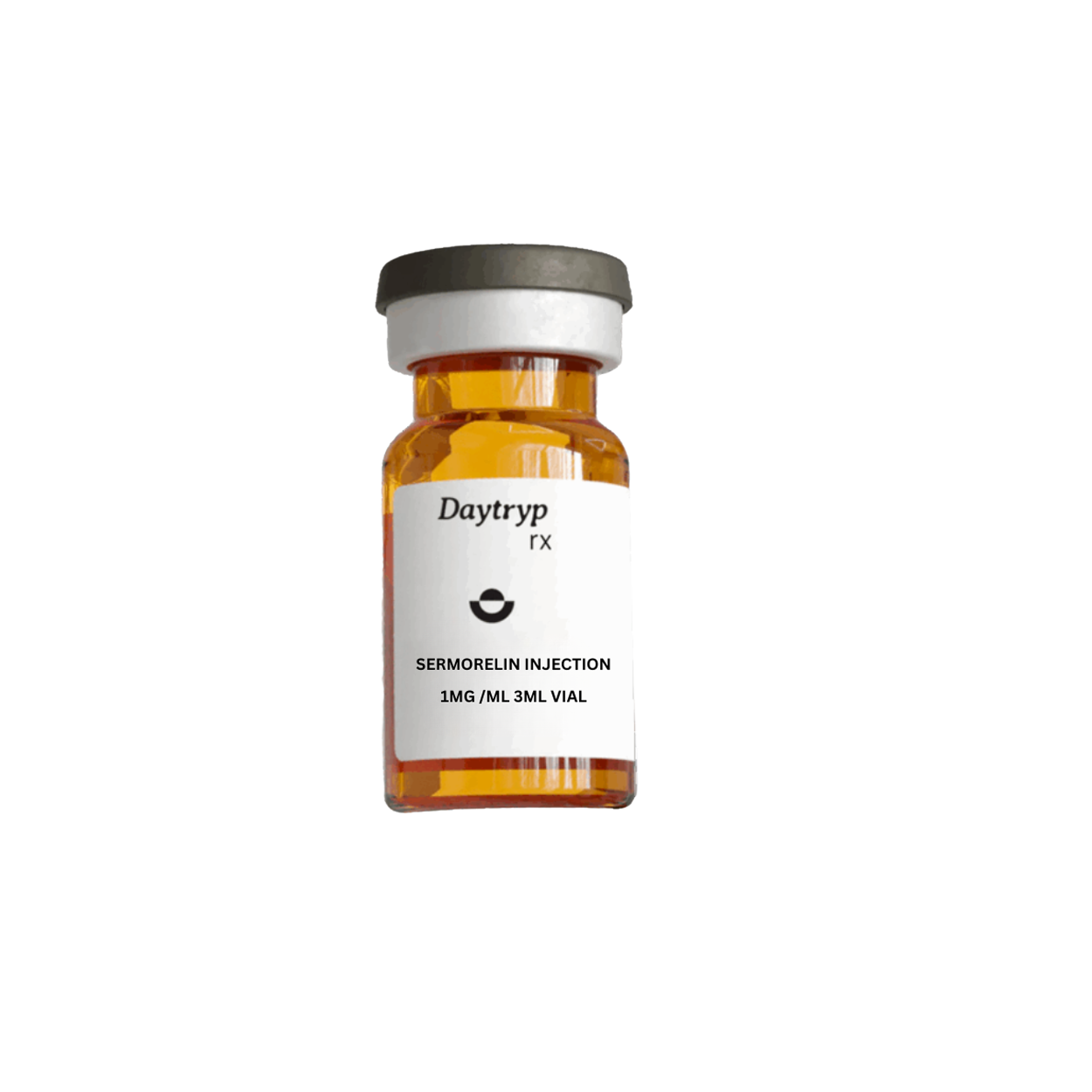
Interested in how growth hormone signaling relates to your wellness goals? At Daytryp RX, we offer Sermorelin injection options for eligible patients who want to explore this treatment with medical guidance. If you’re considering Sermorelin for sleep, we can help you understand what the treatment is intended to do, what current evidence can and cannot establish, and which questions to raise with a provider. Our online service also makes it possible to explore home-based ketamine treatment.
Contact us now.
